Introduction
As digital services become faster and more connected, traditional cloud systems are facing growing pressure to deliver information instantly.
Edge computing has emerged as an approach designed to process data closer to where it is created.
Understanding Edge Computing
Unlike centralized systems, edge computing reduces delays by moving processing nearer to users and devices.
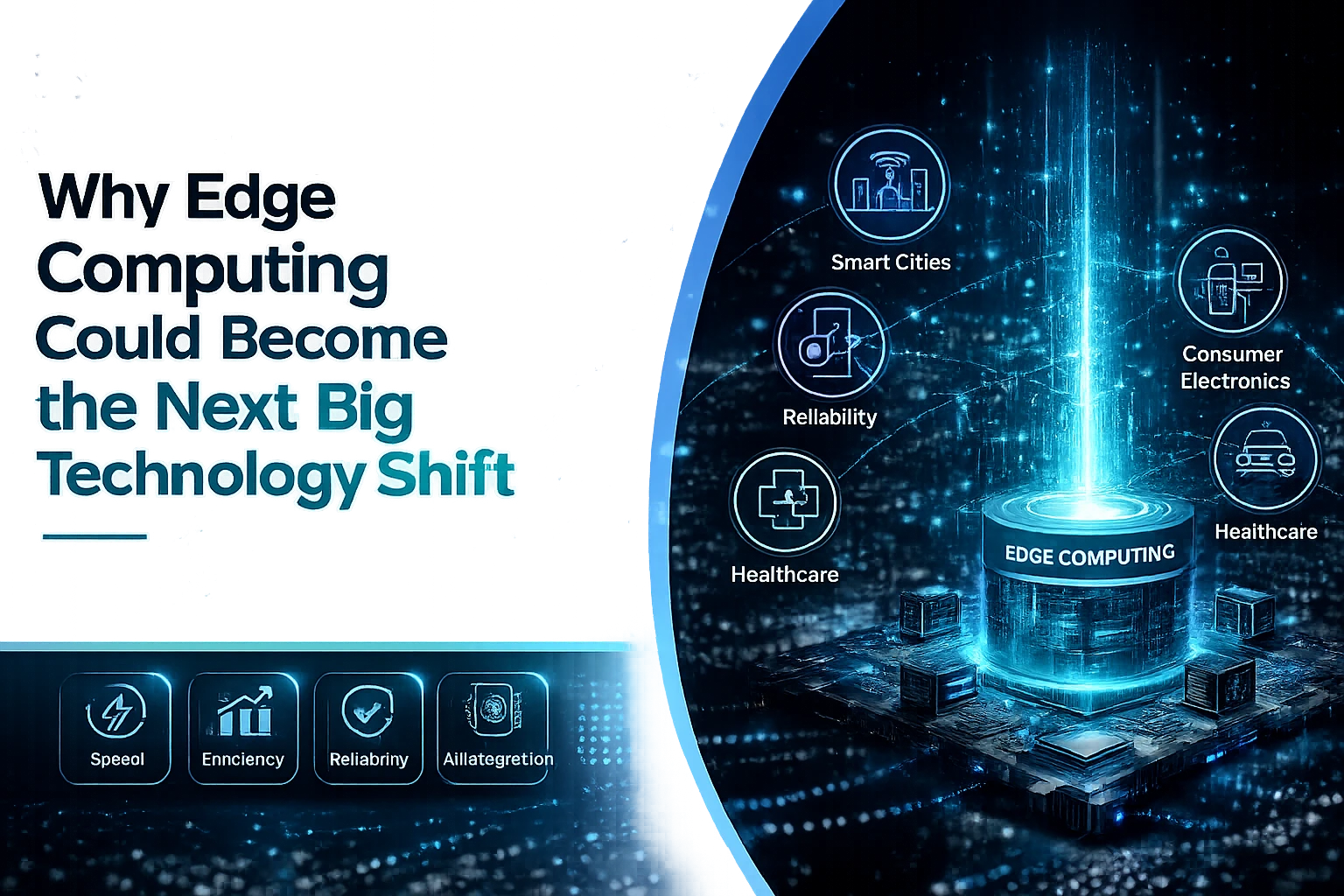
Benefits may include:
- Faster response times
- Lower network load
- Better efficiency
- Improved reliability
Where Edge Computing Is Being Used
Industries exploring edge technology include:
Smart Cities
Connected systems require rapid decisions.
Consumer Electronics
Devices increasingly process information locally.
Healthcare
Real-time monitoring continues growing.
Transportation
Connected mobility depends on fast communication.
Why It Matters
As demand for connected services increases, infrastructure may continue evolving toward faster distributed processing.
Looking Ahead
Future development may combine edge systems with artificial intelligence and automation.
Conclusion
Edge computing could become one of the most important technology shifts shaping digital experiences over the coming years.

Najaf Sial is the Owner and Lead Writer at WormZone.in, covering the latest updates across technology, science, gadgets, cybersecurity, and global trends. With a passion for digital innovation and clear, factual reporting, Farhat brings readers insightful and trustworthy news from around the world.